Let’s talk about our favourite topic – hormone, shall we?
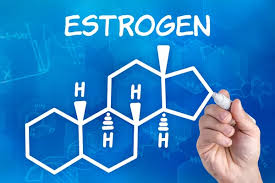
Estrogen often gets a bad rap for various health issues, but it plays a crucial role far beyond just regulating menstruation. When balanced with other hormones, estrogen supports numerous aspects of well-being. However, problems arise when it becomes out of sync with the body’s hormonal rhythms and its total balance.
The Benefits of Healthy Estrogen Levels
Maintaining healthy estrogen levels is essential for:
- Appetite Control: Helps regulate hunger and metabolism.
- Balanced Body Temperature: Contributes to temperature regulation and its metabolism.
- Breast Health: Supports normal breast tissue function.
- Bone Health: Plays a role in preventing osteoporosis.
- Cognitive Function: Aids in maintaining memory and mental clarity.
- Ovulation: Essential for a healthy menstrual cycle.
- Sex Drive: Influences libido and sexual function.
- Uterine Lining: Vital for a healthy menstrual cycle and pregnancy.
Without adequate estrogen, these benefits are compromised, but excessive estrogen can lead to a wide range of health issues that disrupt daily life.
What is Estrogen Dominance?
Estrogen dominance occurs when there’s too much estrogen relative to other hormones. This imbalance can lead to a range of serious health concerns, including:
- Anxiety and Depression
- Bloating and Digestive Issues
- Endometriosis
- Increased Risk of Cancer
- Infertility
- Insomnia
- Weight Gain
Symptoms of estrogen dominance might also include bloating, breast tenderness, reduced libido, headaches, irregular periods, and mood swings.
Sources of Excess Estrogen
Excess estrogen can come from multiple sources, not just the body’s own production but also external influences:
- Chemicals: Xenoestrogens are synthetic chemicals that mimic estrogen. These can be found in body washes, cosmetics, and plastics that leach into food. The body often cannot distinguish these fake estrogens from natural ones, leading to an overload of estrogenic compounds.
- Food and Water: Hormones used in animal farming or unfiltered water, some of prescription drugs can increase the estrogen load on your body.
- Pathogens: Fungi, parasites, and yeast can thrive on high estrogen levels and hidden toxins, releasing their own toxins in the process. They also thrive from diets high in carbohydrates, sugar, and trans fats.
By understanding these factors and addressing them, we can better manage estrogen levels and support overall health.
In the next blog, I’ll explore some of the best strategies to balance estrogen, so stay tuned!