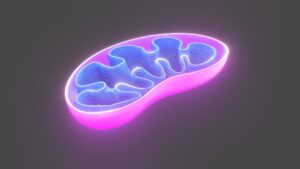
Mitochondria, the tiny powerhouses inside nearly every cell in your body, are essential for life. They break down nutrients and produce ATP, the energy source your body uses to perform all its vital functions. But these fascinating organelles are more than just energy producers – they’re key players in maintaining a healthy immune system, calcium balance, and even programmed cell death (apoptosis), which is crucial for cancer recovery. Supporting your mitochondrial function is one of the best things you can do for your immune system and overall wellbeing.
The Mitochondria-Immune System Connection
Mitochondria can shift from energy production to powering immune cells that fight infections. For example, when you’re battling a cold or the flu, your mitochondria prioritise immune defence, leading to that familiar feeling of fatigue.
This shift explains why those with chronic illnesses or infections often feel exhausted – because their mitochondria are constantly engaged in immune defence rather than energy production. In such cases, ensuring optimal mitochondrial function is critical for both energy and immune health.
6 steps how you can optimise your mitochondria and boost your immune function:
1.Hydration: Fuel Mitochondria with Water
Water is crucial for mitochondria to produce ATP efficiently. At the end of the energy-making process, mitochondria create pure water as a by-product, which rehydrates your body. If you’re chronically dehydrated or not drinking enough water, your mitochondria may not function at their best.
Staying hydrated is a simple yet powerful way to support mitochondrial performance and, in turn, your immune system. Aim to drink clean water (filtered/distilled) throughout the day to keep your cells and mitochondria running smoothly.
2. Minimise Electromagnetic and Radioactive Radiation Exposure
Electromagnetic radiation (EMR) from sources like Wireless Wi-Fi, mobile smart phones, smart watches/bands, and 4/5G can disrupt mitochondrial function by increasing oxidative stress and free radicals. Over time, this can weaken your cells, reduce energy production, and lead to inflammation. Similarly, exposure to radioactive radiation from sources like X-rays (hospitals, airports), caesium, radium, strontium that are ionising radiation can directly damage cells and mitochondrial DNA.
To protect your mitochondria, reduce exposure to these forms of radiation by turning off Wireless Wi-Fi at night, deactivate mobile data, Bluetooth, Wi-Fi from your smart phone. Using wired devices where possible. Every little step can help safeguard your cellular health.
3.Prioritise Quality Sleep
Sleep is crucial for both brain and mitochondrial health. During sleep, your brain uses the glymphatic system to clear away toxins, allowing mitochondria to recover and function at their best. Without proper sleep, toxins accumulate, making it harder for mitochondria to do their job.
Aim for 7-8hours of restful sleep each night to give your mitochondria the recovery time they need. Better sleep means better energy production and a more resilient immune system.
4. Detox Your Body: Remove Toxins That Damage Mitochondria
Toxins – whether they’re internal by-products of cellular activity or external pollutants – can severely impair mitochondrial function. When overwhelmed with toxins, mitochondria can’t produce energy efficiently, and your immune system suffers.
Supporting your body’s detox pathways (drainage) is key to optimising mitochondrial function. If you don’t want to spend money on supplements for this, consider methods like coffee enemas or homeopathic auto-urine therapies to help remove toxins from your system on regular bases. These can be cost-effective and efficient ways to boost cellular health. (Stay tuned for my upcoming course on step-by-step drainage techniques! 😊)
5. Release Emotional and Psychological Trauma
Stress doesn’t just affect your mood – it can also trigger the “Cell Danger Response” (CDR), where mitochondria prioritise defence over energy production. Psychological stress, including trapped trauma from childhood, can keep your mitochondria stuck in this protective mode, leading to chronic health issues.
Addressing emotional stress and psychological trauma is vital to unlocking full mitochondrial potential. Whether you seek professional help or work on emotional release through self-care practices, resolving trauma can bring your mitochondria and your immune system back into balance. Gratitude journaling is also a great tool.
For more guidance on this, check out my resources here:
6. Support Mitochondria with Key Supplements
Nutritional support plays a crucial role in mitochondrial health. Here are some of the supplements to consider:
- Minerals: Essential for detoxification and cellular energy production.
- Electrolytes: These charge cell membranes, making it easier for mitochondria to absorb nutrients and expel toxins.
- Alpha-Lipoic Acid: Protects mitochondria from oxidative damage.
- B Vitamins: Critical for mitochondrial energy production (note: avoid if you haven’t done parasite cleansing).
- CoQ10: The primary antioxidant for protecting and supporting mitochondria.
- Creatine: Helps prevent structural damage to mitochondria.
- Curcumin: A potent antioxidant from turmeric that protects mitochondrial function.
- D-Ribose: A type of sugar that supports ATP production in cases of mitochondrial dysfunction.
- Magnesium: Vital for energy production and managing oxidative stress.
- Resveratrol: A powerful antioxidant found in Japanese knotweed that modulates mitochondrial function.
Supporting your mitochondria is not just about increasing energy – it’s about improving immune function, enhancing detoxification, and promoting long-term vitality. As we head into the colder months, incorporating these six strategies will keep you feeling energised, healthy, and resilient.