Our skin is more than just a protective covering; it’s a storyteller. Every scar, wrinkle, or mark reflects moments of our personal history. It’s the part of us that greets the world, giving away clues about our lifestyle, heritage, and health. Beyond its role in defining our appearance, our skin serves as a dynamic barrier, safeguarding our internal systems from external threats.
Everyday factors such as pollution, sun exposure, and the pressures of modern life place constant stress on our skin. Over time, these challenges can lead to visible wear, from signs of ageing to chronic skin conditions. These issues aren’t just skin deep—they affect confidence, emotional wellbeing, and overall quality of life. Let’s delve into common skin concerns, their causes, and how best to care for your skin.
Acne: More Than a Teenage Problem
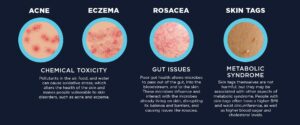
Acne is a familiar adversary for many, often associated with our teenage years. However, it’s not uncommon for adults to experience it too. Acne develops when excess oil (sebum), dead skin cells, and bacteria clog hair follicles, leading to the formation of pimples, blackheads, or cysts.
Why Does Acne Happen?
- Hormonal Shifts: Fluctuating hormones, particularly during puberty, menstruation, or times of stress, can over activate oil glands.
- Diet: Foods high in sugar, chocolate, and dairy have been linked to acne flare-ups.
- Environmental Factors: Pollution and unfiltered water can aggravate skin, making it prone to breakouts.
- Lifestyle Habits: Prolonged exposure to electronic devices, humid environments, and even electromagnetic radiation from Wi-Fi routers and smart phones and other related devices may contribute to acne.
The Emotional Impact
While acne might not cause physical harm, its psychological toll is significant. Many individuals feel self-conscious or anxious, leading to avoidance of social situations. Alarmingly, studies suggest the mental health effects of acne can be comparable to chronic illnesses like asthma or arthritis.
Managing Acne
- Cleanse with gentle, non-comedogenic natural products.
- Use filtered or distilled water alongside chemical-free soaps such as Castile soap.
- Identify and avoid trigger foods.
- Consider anti-inflammatory supplements or skincare practices.
- Mitigate exposure to EMF/EMR
Eczema: The Uncomfortable Itch
Eczema, or atopic dermatitis, is a widespread condition characterised by dry, itchy, and cracked skin. Although it often begins in childhood, many adults live with persistent symptoms.
What Causes Eczema?
Eczema stems from a combination of genetic, environmental, and lifestyle factors. It’s more common in urban areas, likely due to pollutants in water and chemicals in household products. Skin irritants, such as fragranced soaps and certain metals, can trigger outbreaks. Many sufferers seem to be affected parasitic and bacterial overgrowth.
Steps to Alleviate Eczema
- Avoid harsh detergents and chemical-laden cosmetics.
- Stay hydrated and use natural moisturisers without additives.
- Use filtered water for both drinking and cleansing.
- Address dietary triggers and focus on balanced nutrition.
- Prioritise quality sleep with aids like melatonin or magnesium when necessary.
- Consider antimicrobial or antiparasitic treatments to address underlying causes.
Rosacea: The Flushing Mystery
Rosacea often leaves its mark on the face with redness, swelling, and acne-like bumps. It can also cause telangiectasias (spider veins)or even eye issues. While more common in fair-skinned individuals, rosacea can affect anyone, with flare-ups occurring sporadically.
Common Triggers
- Hot drinks, spicy food, and alcohol.
- Emotional stress or strong emotions like embarrassment.
- Sun exposure, wind, or drastic temperature changes.
- Vigorous exercise or skincare products containing harsh chemicals.
The Gut-Skin Connection
Emerging research highlights the link between rosacea and gut health. Individuals with rosacea often have gut conditions such as:
- Coeliac disease, Gluten sensitivity
- Crohn’s disease.
- Helicobacter pylori infection.
- Irritable bowel syndrome (IBS).
- Small intestinal bacterial overgrowth (SIBO).
Soothing Rosacea
- Avoid known triggers where possible.
- Integrate anti-inflammatory foods and practices.
- Support gut health through nutrition and probiotic supplements.
- Use gentle, chemical-free skincare products.
- Consider antimicrobial or antiparasitic treatments to address underlying causes.
- For ocular symptoms, warm compresses can provide relief.
Skin Tags: More Than an Aesthetic Concern
Skin tags, or acrochordons, are benign growths that often form in areas where the skin folds, such as the neck, eyelids, or armpits. Though usually harmless, they can cause irritation or discomfort when rubbed by clothing or jewellery.
What Causes Skin Tags?
- Hormonal changes and irritation from skin friction.
- Infection with human papillomavirus (HPV).
- Ageing and reduced tissue elasticity.
Skin Tags and Metabolic Health
Interestingly, the presence of skin tags can correlate with underlying health concerns such as metabolic syndrome. Conditions linked with this syndrome include:
- Diabetes (type 2).
- Hypertension.
- Cardiovascular disease.
- Insulin resistance.
Treatment and Prevention
While removal through procedures like freezing or snipping is an option, addressing root causes is often more beneficial. Encouraging healthy lifestyle habits, such as balanced diets, avoid food/sweets with refined sugar, and regular exercise, can reduce both the formation of skin tags and the risks of associated health conditions.
Herxheimer Reaction and Detoxing
During detoxification, some people experience temporary skin reactions known as Herxheimer reactions (or “herxing”). These occur when toxins released during cleansing overwhelm the body’s ability to process them, often leading to rashes, irritation, or other discomfort.
Understanding Herxing
- Common during parasite cleanses or intense detox regimens.
- Caused by the body’s response to toxins released during the dying process of harmful organisms.
How to Manage Symptoms
Reassure yourself that these reactions are temporary. Slowing the detox process or supporting the body’s natural drainage systems and bowel movement can ease symptoms. Taking things like binder also heals ease the symptoms.
Final Thoughts
Our skin is a mirror of our internal health, constantly revealing clues about how we’re treating ourselves. By understanding the causes of common skin conditions and adopting proactive measures—from mindful skincare routines to healthy dietary and lifestyle practices—we can nurture our skin and, in turn, our overall wellbeing. Whether dealing with acne, eczema, or signs of metabolic imbalance, taking steps to care for this remarkable organ isa step toward a healthier, more confident you.
Here’s to keeping calm and staying radiant!