With the recent heatwave across the UK, staying hydrated has become more important than ever. While many of us know we should drink more water when temperatures rise, hydration is often overlooked as one of the most powerful foundations of good health.
In clinic, I frequently see symptoms such as headaches, fatigue, constipation, dizziness, brain fog, and low energy. While these symptoms can have many causes, dehydration is often a contributing factor that is surprisingly easy to address.
Equally important is the quality of the water we drink; with modern-day tap water often containing trace contaminants and chemical residues, choosing clean, well-filtered water can offer an added layer of support in keeping the body truly hydrated and functioning at its best.
Water is much more than simply a thirst quencher. It is involved in almost every process within the body, from producing energy and regulating temperature to supporting digestion and helping the body eliminate waste products efficiently. In fact, around 60-70% of the human body is made up of water, highlighting just how essential it is for our health and wellbeing.
Water: The Body’s Unsung Hero
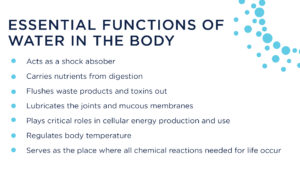
Every cell, tissue and organ in your body relies on water to function properly. Water helps to:
- Transport nutrients throughout the body
- Lubricate joints and tissues
- Regulate body temperature
- Support healthy circulation
- Remove waste products
- Protect organs and tissues
- Facilitate the countless chemical reactions that keep us alive
When we become dehydrated, even mildly, these processes become less efficient. This can leave us feeling tired, sluggish and mentally drained.
During periods of hot weather, our bodies lose more water through sweating as they work harder to stay cool. If that fluid is not replaced, dehydration can develop much more quickly than many people realise.
Hydration and Energy Production
One fascinating area of research is the relationship between hydration and cellular energy.
Inside every cell are tiny structures called mitochondria, often referred to as the body’s “powerhouses.” These mitochondria produce ATP (adenosine triphosphate), the molecule that provides energy for virtually every activity in the body.
Whether you’re thinking, exercising, digesting food, repairing tissues or supporting detoxification pathways, ATP is required. Water plays a crucial role in both the production and use of ATP, meaning adequate hydration directly supports energy levels and overall vitality.
This may help explain why dehydration commonly causes fatigue, reduced concentration and feelings of low energy.
Supporting Natural Detoxification
The word “detox” is often misunderstood. Fortunately, our bodies are equipped with sophisticated detoxification systems that work around the clock.
The liver, kidneys, digestive system, lungs and skin all play important roles in processing and removing waste products. However, these systems rely heavily on adequate hydration.
The Kidneys
Your kidneys filter approximately 180 to 200 litres of fluid every day. They help remove waste products and toxins from the bloodstream while carefully balancing fluid levels within the body.
When water intake is too low, the kidneys conserve fluid, resulting in darker, more concentrated urine. Over time, poor hydration may increase the risk of kidney stones and other urinary issues.
A quick note: While drinking enough water is essential, more isn’t always better. Overhydration can dilute important electrolytes, particularly sodium, making it harder for the body to maintain the right fluid balance. Healthy kidney function relies on a good balance of clean water, adequate minerals (especially sodium) and healthy fats that support healthy cell membranes.
If you’re drinking plenty of water but still feel tired, weak, light-headed or are struggling with poor sleep, it may be worth considering whether your body needs more electrolytes rather than simply more water. Including natural sources of sodium, such as sea salt or rock salt (rather than refined table salt), alongside healthy fats like coconut oil, ghee, butter and omega-rich foods, may help support hydration at a cellular level.
As always, individual needs vary, so if you have kidney disease, heart disease or high blood pressure, speak to your healthcare practitioner before making significant changes to your salt intake.
The Liver
The liver is one of the body’s primary detoxification organs. It processes substances from food, medications, hormones and environmental exposures.
Because blood is largely made up of water, good hydration helps maintain healthy circulation through the liver and supports the movement of waste products with more clean, fluid bile out of the body.
The Digestive System
Water is essential throughout the digestive process. It helps create saliva, supports digestive secretions, aids nutrient absorption and contributes to healthy bowel movements.
One of the most common consequences of inadequate fluid intake is constipation. Ensuring sufficient hydration can often improve digestive comfort and help maintain regular elimination.
Your Brain Loves Water Too
Many people are surprised to learn how sensitive the brain is to hydration status.
Even mild dehydration can affect:
- Concentration
- Memory
- Mood
- Mental clarity
- Headache frequency
If you’ve been feeling unusually tired, irritable or foggy during the recent hot weather, dehydration could be playing a role.
Signs You May Need More Water
Some common signs of dehydration include:
- Feeling thirsty
- Dry mouth
- Headaches
- Fatigue
- Dizziness
- Constipation
- Dark yellow urine
- Reduced concentration
- Irritability
As we age, our natural thirst signals can become less reliable, meaning we may not always feel thirsty even when our bodies need more fluid.

 Practical Hydration Tips for the Heatwave
If you’re finding it difficult to drink enough water, here are some simple strategies:
1. Start your day with water
Before reaching for tea or coffee, drink a glass of water first thing in the morning, ideally with some electrolytes.
Electrolyte options:
2. Add natural flavour
Try adding slices of lemon, cucumber, mint, berries or orange to make water more enjoyable.
3. Enjoy herbal teas
Peppermint, ginger and chamomile teas can all contribute towards your fluid intake and can be enjoyed hot or chilled.
4. Eat water-rich foods
Cucumber, lettuce, celery, watermelon, strawberries, peaches and oranges all contain significant amounts of water and can help boost hydration.
5. Replace fluids lost through sweating
During hot weather, exercise or gardening, you may need considerably more fluid than usual. Consider including electrolyte-rich drinks if sweating heavily.
 How Much Water Do You Need?
There is no one-size-fits-all answer. Individual requirements vary depending on age, body size, activity levels, health conditions and environmental temperature.
As a general guide, aim to drink consistently throughout the day rather than waiting until you feel thirsty. During periods of extreme heat, your fluid requirements will almost certainly increase.
A simple indicator is urine colour. Pale straw-coloured urine usually suggests good hydration, while darker urine often indicates the need for more fluids.
 A Simple Habit with Powerful Benefits
Hydration may not be the most exciting health topic, but it is one of the most impactful. Proper hydration supports energy production, digestion, detoxification, circulation, brain function and overall wellbeing.
As we continue through this spell of hot weather, I encourage you to make hydration a daily priority. Sometimes the simplest habits are the ones that have the greatest effect on how we feel.
So keep that water bottle nearby, enjoy plenty of water-rich foods, and give your body the support it needs to stay healthy, energised and resilient throughout the summer.
Stay cool, stay hydrated, and take good care of yourself.
*This information is educational only and is not intended to diagnose or treat any specific individual or patient.