What if your body had a built-in system designed to repair damage, fight ageing, and keep you functioning at your best?
It does. These are called stem cells—and they are fundamental to your long-term health.
Why stem cells matter more than you think
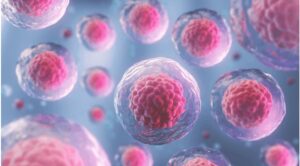
Stem cells are often described as the body’s “master cells”—and for good reason.
They have two remarkable abilities:
- Self-renewal: they can make more copies of themselves
- Differentiation: they can turn into specialised cells like muscle, skin, or nerve cells
They exist throughout your life and are found in areas such as:
- Bone marrow
- Brain
- Blood and blood vessels
- Skin and muscles
Their role is critical: they replace cells lost through injury, disease, and everyday wear and tear.
Without healthy stem cells, your body’s ability to repair itself simply declines.
The link between energy and stem cells
Stem cells rely heavily on your body’s energy systems—specifically the mitochondria, often called the “powerhouses” of your cells.
Research shows:
- Stem cell function depends on energy availability
- Low energy reduces their ability to repair and regenerate
- Mitochondrial dysfunction is strongly linked to ageing and many diseases
In fact, declining mitochondrial function is considered one of the hallmarks of ageing, and it directly impacts how well your stem cells perform.
A fascinating ability: cellular repair at a deeper level
Emerging research suggests something remarkable:
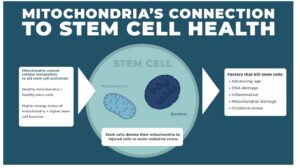
Stem cells may help repair damaged cells not just by replacing them—but by transferring healthy mitochondria to them.
This process can:
- Restore normal cell function
- Improve energy production
- Support recovery from disease
It highlights just how central stem cells are to overall cellular health.
Oxygen: essential for stem cell activity
Oxygen plays a direct role in regulating stem cells.
Without enough oxygen:
- Stem cells can become inactive
- Or even die
Studies have shown that increasing oxygen availability (for example, through specialised therapies like Hyperberic Oxygen Therapy) can increase the number of circulating stem cells, helping them move to areas that need repair.
What causes stem cells to decline?
Over time, stem cells can become damaged or less effective.
Key contributors include:
DNA damage
As we age, damage to DNA builds up, reducing stem cells’ ability to function properly.
Chronic inflammation
Long-term inflammation can overwork stem cells, eventually exhausting them.
Mitochondrial dysfunction
Damaged mitochondria mean less energy—and weaker repair capacity.
Oxidative stress
An imbalance between free radicals and antioxidants can impair stem cell stability and regeneration.
Lifestyle factors that contribute to this include:
- Processed and high-sugar diets
- Smoking
- Excess alcohol
- Pollution/Chemical/EMF exposure
Stem cells and ageing
One of the key reasons we age is the decline in stem cell function.
This leads to:
- Slower healing
- Reduced tissue regeneration
- Increased risk of chronic disease
In other words, ageing is not just about time passing—it’s about your body losing its ability to repair itself efficiently.

Supporting your stem cells naturally
The encouraging news is that certain lifestyle choices and nutrients can help support stem cell health.
Lifestyle basics
Research highlights the importance of:
- Quality sleep (enough hours, and EMF free)
- Gentle, regular exercise
- Stress management
These help protect DNA, reduce inflammation, and maintain cellular balance.
Nutrients and foods that show promise
Studies suggest certain natural non-GMO and organic food compounds may support stem cell function:
- Blueberries – rich in polyphenols that support bone-forming stem cells
- Dark chocolate (high flavanol) – shown to increase circulating stem cells in people with heart conditions
- Green tea – linked to significant increases in stem cell activity
- Turmeric – helps regulate inflammation and supports regeneration
- Spirulina & chlorella – may help stimulate stem cell production and mobility
These foods and supplements work by reducing inflammation, protecting cells, and supporting energy production.
Fasting and stem cell regeneration
One of the most exciting findings in recent years comes from fasting research.
Studies show that even a 24-hour fast or 16-hours intermittent fasting can:
- Enhance stem cell regeneration
- Trigger a metabolic switch from sugar-burning to fat-burning
- Improve the function of intestinal stem cells, regardless of age
- *We do not recommend continuing longer than 24 hours period.
This shift appears to make stem cells more efficient at repair and renewal.
The big picture
Stem cells are central to:
- Healing
- Regeneration
- Healthy ageing
Their performance depends on key factors:
- Energy (mitochondria)
- Oxygen
- Low inflammation
- Proper nutrition
As research continues to advance, supporting stem cells is becoming an increasingly important part of maintaining long-term health and vitality.
Your body has an extraordinary ability to repair itself—stem cells are at the heart of that process. Supporting them means supporting your future health.
*This information is educational only and is not intended to diagnose or treat any specific individual or patient.